Kansas City
The Hot ZoneKansas City anchors the personal tragedy that unfolds alongside the Reston monkey-house outbreak: it is where John Jaax lived with his family, where his murder was discovered, and where Jerry Jaax returned in grief and anger. The case remained unsolved, leaving the city as the setting for both an investigation without resolution and a family’s lasting bereavement.
Family and Work
John Jaax lived in Kansas City with his wife and two young children. A prominent businessman and banker, he had been president of the Bank of Kansas City and later partnered in a manufacturing company that made plastic for credit cards. His ties to the city were professional as well as domestic: an investigator assigned to the case had previously worked as a security guard at the bank when John was its president.
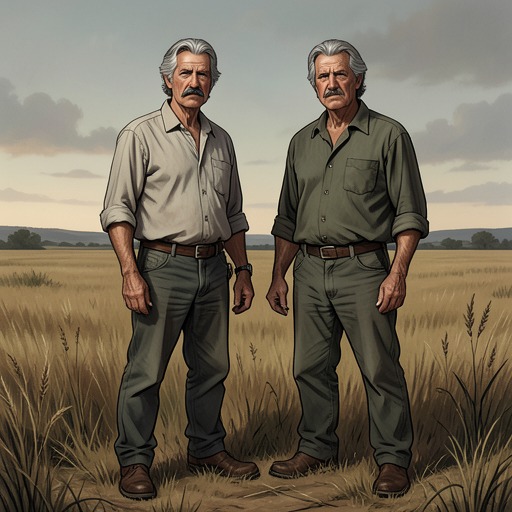
The account introduces Kansas City through Jerry’s closeness to his brother. The two had grown up together on a Kansas farm and attended Kansas State; as adults, they remained so alike in appearance and voice that their mustaches were the chief visible difference. Their shared history makes the city more than a place-name in the episode: it is where Jerry’s brother’s family, work, and violent death converge.
The Murder and Investigation
On October 4, John told his wife by telephone that he would be working late and planned to go directly from the factory to a parent-teachers’ meeting at their children’s school. When he failed to arrive, she went to the factory and found the building deserted. She discovered John’s office open and found that he had been shot and killed.
Reed Buente, an officer with Kansas City Homicide who had known and admired John, took the case and was determined to bring the killer or killers to trial. Investigators considered John’s business partner, John Weaver, because the two had been having difficulties. But Weaver had an alibi, physical clues were scarce, and the inquiry yielded no breakthrough. Weaver later died of a heart attack; the murder case remained open.
Jerry’s Grief
The unsolved killing drew Jerry repeatedly back to Kansas City. He called the homicide investigator nearly every day through October and November, but the case did not advance. His grief deepened rather than easing with time, and Nancy Jaax began to fear that he was clinically depressed. At John’s funeral, Jerry and Nancy’s children, Jaime and Jason, remarked on the resemblance between their father and their uncle in the coffin—a brief observation that made the brothers’ likeness part of the family’s encounter with the loss.
Jerry considered going to Kansas City with a gun and killing Weaver, but recognized that Weaver might not have been responsible and that an innocent man could die. The thought reveals how the lack of answers turned grief toward vengeance, while his concern for his children and for the possibility of a mistaken accusation held him back.
Narrative Significance
The murder occurred on October 4, the same day the monkey shipment reached the Reston monkey house. The book places the two developments side by side, linking a distant outbreak narrative to an intimate family catastrophe without suggesting that one caused the other. Kansas City becomes the center of a parallel crisis: while the monkey deaths begin to demand attention in Reston, Jerry faces a loss whose central question—the identity of his brother’s killer—remains unanswered.